A quick look at the 338 arc

.338 ARC Rifle Cartridge: History, Ballistics, Pros and Cons

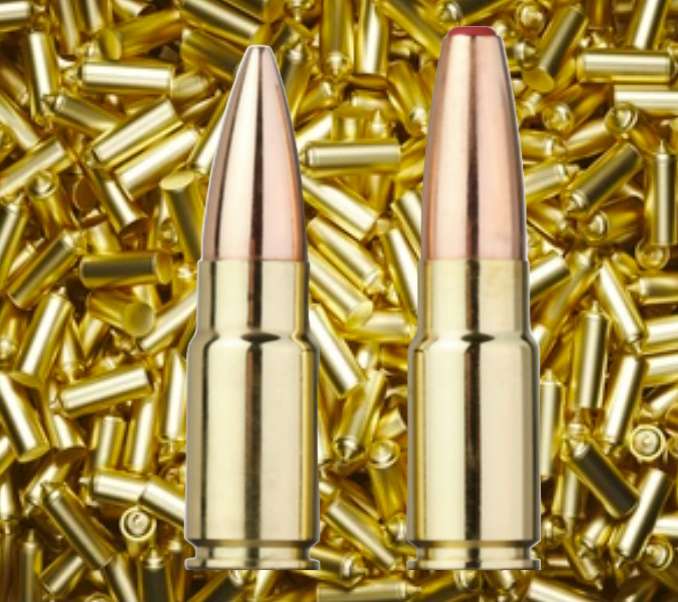
The .338 ARC rifle cartridge is a modern, purpose-built round designed for shooters who want maximum performance from the AR-15 platform—especially when running suppressed or using short barrels. Developed by Hornady, the .338 ARC delivers heavy bullets, excellent terminal ballistics, and improved downrange energy compared to similar cartridges like the .300 Blackout.

Although still relatively new, the .338 ARC has quickly gained attention among hunters, tactical shooters, and firearm enthusiasts looking for a powerful, efficient AR-15 cartridge.

History of the .338 ARC Cartridge

The .338 ARC (Advanced Rifle Cartridge) was officially introduced by Hornady in 2023. It followed the success of the 6mm ARC and was designed to expand the ARC family with a larger-caliber option optimized for suppressed rifles and short-barreled AR-15s.

Hornady based the .338 ARC on the 6.5 Grendel case, necking it up to accept .338-caliber bullets. This design choice allowed the cartridge to function within the AR-15 platform while delivering significantly heavier projectiles than 5.56 NATO or .300 Blackout.

From its inception, the design goals of the .338 ARC included:

  • Reliable performance in barrels as short as 12 inches
  • Effective subsonic and supersonic loads
  • Improved energy retention at medium ranges
  • Compatibility with modern suppressors

Rather than replacing the .300 Blackout, Hornady positioned the .338 ARC as a more powerful alternative with better ballistic performance past 200–300 yards.

.338 ARC Ballistics and Performance

The ballistics of the .338 ARC are one of its strongest selling points. The cartridge typically fires bullets ranging from 175 to 300 grains, giving it excellent penetration and terminal performance.

  • Supersonic loads: Approximately 2,000–2,200 feet per second
  • Subsonic loads: Tuned just below the speed of sound for suppressed use
  • Effective range: Superior energy retention beyond 300 yards compared to .300 Blackout

Thanks to its efficient powder burn and heavier bullets, the .338 ARC maintains momentum and impact energy where many intermediate cartridges begin to fall off.

Pros of the .338 ARC Cartridge

1. Outstanding Suppressed Performance

The .338 ARC was engineered specifically for suppressed shooting. Heavy subsonic bullets provide deep penetration, consistent accuracy, and extremely quiet operation when paired with a suppressor.

2. AR-15 Platform Compatibility

Unlike larger .338-caliber cartridges, the .338 ARC works in the standard AR-15 size platform, eliminating the need for heavier AR-10 rifles.

3. More Power Than .300 Blackout

When comparing .338 ARC vs .300 Blackout, the .338 ARC delivers:

  • Greater bullet weight
  • Higher downrange energy
  • Improved terminal ballistics at distance

4. Excellent Hunting Cartridge

The .338 ARC is well-suited for hog hunting, deer hunting, and similar medium-sized game, especially with modern expanding bullets.

5. Factory Support From Hornady

Unlike many niche cartridges, the .338 ARC benefits from factory ammunition, brass, and published load data, making it more accessible to reloaders and shooters alike.

Cons of the .338 ARC Cartridge

1. Limited Ammunition Availability

As a newer cartridge, .338 ARC ammo is not as widely available as more established rounds, and pricing can be higher.

2. Increased Recoil

While still manageable, recoil is greater than .300 Blackout, particularly in lightweight or short-barreled rifles.

3. Smaller Market Adoption

Few rifle manufacturers currently offer factory rifles chambered in .338 ARC, which limits mainstream adoption.

4. Reduced Magazine Capacity

The wider .338 bullets reduce magazine capacity compared to 5.56 NATO and .300 Blackout.

5. Not Ideal for Every Shooter

For range use, training, or home defense, the power of the .338 ARC may be unnecessary compared to cheaper, lighter alternatives.

Who Should Consider the .338 ARC?

The .338 ARC is ideal for shooters who:

  • Run suppressed AR-15 rifles
  • Want superior subsonic and medium-range performance
  • Hunt with short-barreled rifles
  • Prefer modern, high-performance cartridges

Shooters focused on low cost, high availability, or minimal recoil may find better options elsewhere.

Final Thoughts on the .338 ARC Rifle Round

The .338 ARC rifle cartridge fills a unique and important role in the AR-15 ecosystem. By combining heavy bullets, excellent suppressed performance, and strong terminal ballistics, it offers capabilities that few intermediate cartridges can match.

While it remains a niche round for now, increased manufacturer support and ammunition availability could help the .338 ARC become a long-term favorite among hunters and suppressor enthusiasts. For shooters seeking maximum performance from an AR-15, the .338 ARC is well worth a closer look.

The Versatile and Historic .30 Carbine Round: A Journey Through Time

Introduction: When it comes to iconic firearms and their accompanying ammunition, few can match the legacy and versatility of the .30 Carbine round. Developed in the early 1940s, this cartridge played a crucial role in World War II and continued to serve in various capacities throughout history. Join us as we explore the fascinating story and enduring significance of the .30 Carbine round.

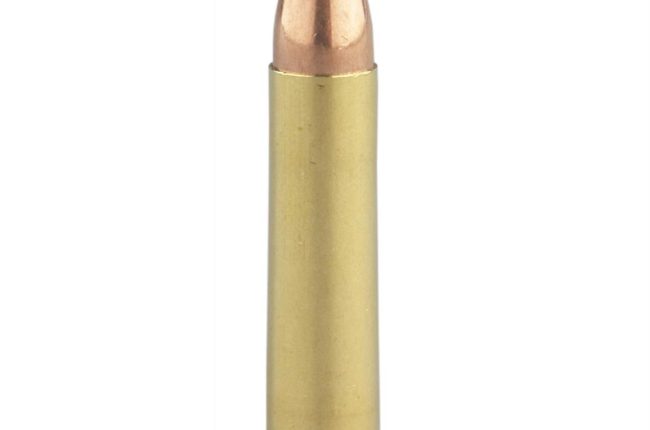
  1. The Origins of the .30 Carbine Round: The .30 Carbine round was initially designed as a lightweight, high-velocity cartridge for use in the M1 Carbine, a compact and portable firearm intended for soldiers who did not require the full firepower of a standard-issue rifle. Developed by Winchester, the .30 Carbine round was introduced in 1941 and quickly gained popularity for its manageable recoil, light weight, and reliable performance.
  2. Role in World War II: During World War II, the M1 Carbine and its associated .30 Carbine round became the go-to choice for support troops, paratroopers, and other non-frontline combatants. The round’s moderate power and shorter range were ideal for urban warfare, jungle environments, and close-quarters combat. Its lightweight nature allowed soldiers to carry more ammunition without compromising maneuverability.
  3. Post-War Use and Influence: Even after the war, the .30 Carbine round continued to find utility in various roles. It remained in service with the United States military and saw action in subsequent conflicts such as the Korean War. Additionally, it became popular among civilian shooters for recreational shooting, hunting small game, and personal defense.
  4. The .30 Carbine Today: In recent years, the .30 Carbine round has maintained its relevance within the shooting community. Though no longer a standard-issue military cartridge, it is favored by firearms enthusiasts and collectors. Its historical significance, moderate recoil, and affordability have contributed to its continued popularity. Many firearms manufacturers still produce rifles chambered for this venerable cartridge, ensuring its longevity.
  5. Ballistics and Performance: The .30 Carbine round, with its .308 caliber bullet, offers good accuracy, particularly at shorter ranges. While it lacks the long-range capability of larger rifle cartridges, its terminal performance and manageable recoil make it suitable for a variety of applications. It typically fires a 110 to 120-grain bullet at velocities approaching 2,000 feet per second, providing adequate stopping power within its intended range.
  6. The Cartridge’s Legacy: The .30 Carbine round’s legacy extends beyond its military service. It has become a cultural icon, immortalized in movies, video games, and literature. Its association with World War II and the soldiers who wielded it has solidified its place in history.

Conclusion: The .30 Carbine round remains a testament to the ingenuity of its creators and the adaptability of firearms technology. Its contributions during World War II and subsequent conflicts have left an indelible mark on military history. As a versatile cartridge, it continues to captivate firearms enthusiasts and collectors alike. Whether you appreciate its historical significance or value its performance, the .30 Carbine round is an enduring symbol of a bygone era, forever etched in the annals of ammunition history.

Delivery from “The Creek”

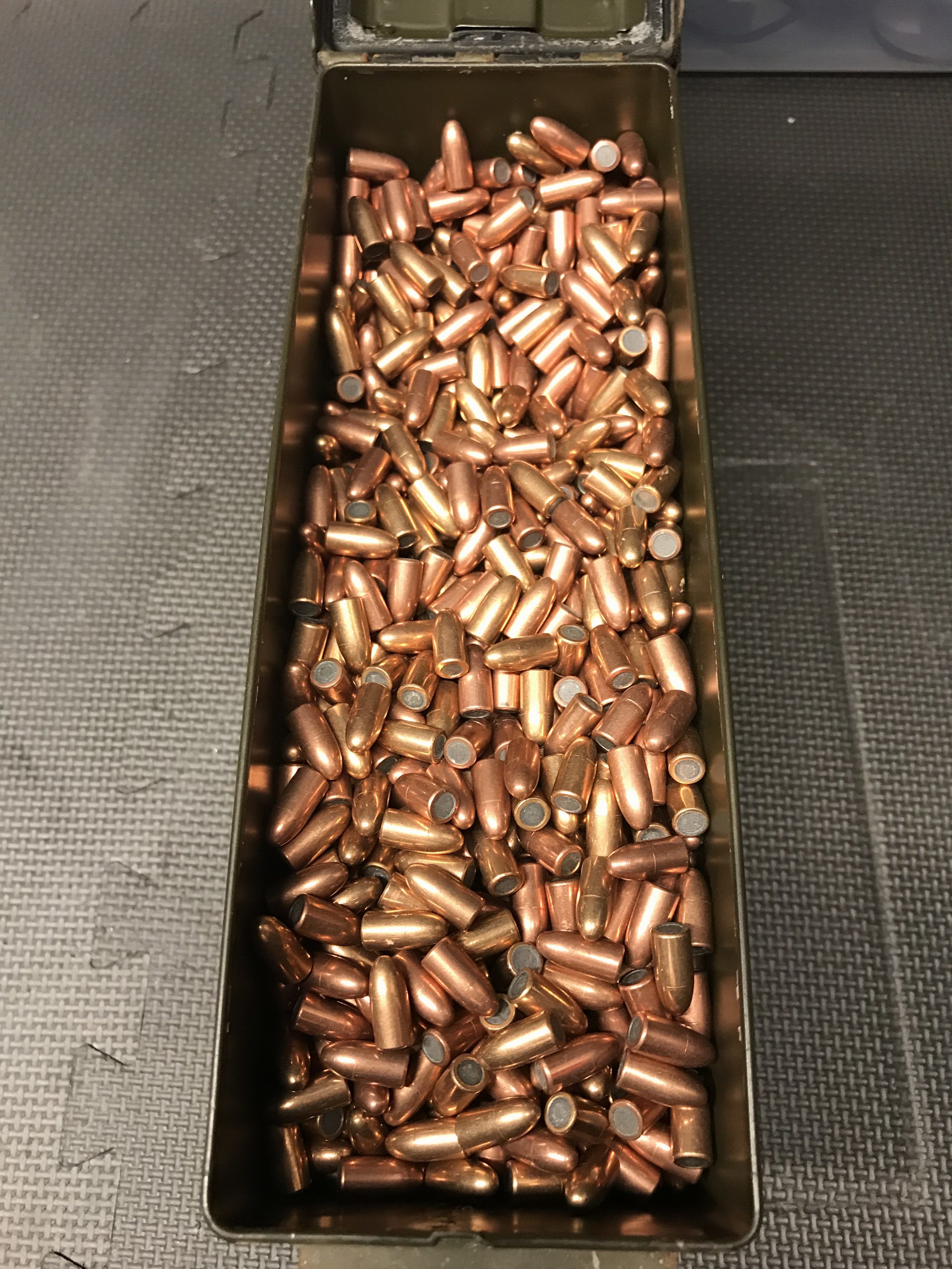
One of the great things about the Knob creek shoot, after the amazing collections of rare and unusual military hardware, is the SHOPPING! People from all over the US bring an amazing bunch of things for the flea market area. One of my bring backs this time is a this can of M1Carbine 110grain projectiles. No, I was unable to attend, luckily I had a proxy!

30 Carbine 110 Grain

Pyrex glass powder hopper

Just got this in today. Same capacity, this is good old pyrex glass, which will handle the chemicals in powder that turn the factory hopper into dark and cracked plastic.

Got this from http://wardlance.com/dillon.html Custom deflector and turned alum lid. Nice job overall!

Dillon OEM size replacement hopper
Pyrex hopper with same volume as OEM plastic version
2″ taller than the OEM plastic one